
British Orchard Specialists Explain 10 Ways to Stretch the Harvest Season
British gardeners often face unpredictable weather patterns that can shorten the productive period for fruit trees. Extending the harvest season requires strategic approaches to variety choice, site management, and ongoing care. This ensures a steady supply of fresh fruit from summer through autumn. The fruit trees specialists at ChrisBowers offer this professional advice: A key step involves incorporating a range of ripening times when selecting stock, such as early-season apples alongside late-maturing pears, to provide continuous yields. For those planning an orchard, explore options in fruit trees for sale that suit varied climates and soil types across the UK.
Choosing Varieties and Rootstocks
The foundation of a prolonged harvest lies in deliberate selection of fruit tree varieties. Way 1 involves planting a mix of early, mid-season, and late-ripening cultivars. For apple trees, which form the backbone of many British orchards, options like Discovery for early August picks, James Grieve for September, and Bramley for October-November extend availability naturally. This staggered approach prevents all fruit from ripening simultaneously, reducing waste and allowing fresh consumption over months. Pears follow a similar pattern, with Williams ripening in late August and Concorde lasting into October. By researching maturity dates specific to UK zones, growers can align choices with local frost risks and growing degrees.
Way 2 focuses on multi-graft trees, where several varieties are grafted onto one rootstock. This technique maximises space in smaller gardens while providing diverse ripening periods on a single plant. For instance, a family apple tree might combine Cox’s Orange Pippin (mid-season) with Sunset (late), yielding from September to November. Such trees are particularly useful in urban or allotment settings where land is limited. Rootstock selection complements this, as it influences vigour and, to some extent, timing. Dwarfing rootstocks like M9 for apples promote earlier fruiting compared to vigorous M25, aiding in quicker establishment and potentially earlier harvests in subsequent years.
When sourcing these, consider nurseries offering fruit trees for sale with detailed rootstock information to match your site’s soil and exposure. This method not only stretches the season but also enhances biodiversity, supporting pollinators essential for consistent yields.
Planting and Site Selection
Effective planting strategies further prolong the productive window. Way 3 entails succession planting, adapted for perennial fruit trees by introducing young saplings annually or biennially. While trees take years to mature, starting with a cohort of different ages ensures ongoing production as older ones peak and younger ones begin bearing. For plums, planting Victoria (mid-August) alongside younger Czar trees can bridge gaps in ripening.
Site selection plays a critical role in Way 4. Positioning trees to exploit microclimates extends natural ripening periods. South-facing slopes or walls in the UK capture more sunlight, advancing maturity by up to two weeks for varieties like early cherries. In cooler northern regions, such as Scotland, shelterbelts from prevailing winds protect blossoms, preventing delays from frost damage. Soil preparation, including deep digging and organic amendments, ensures robust root development, which supports sustained fruiting.
In coastal areas prone to salt-laden winds, hardy rootstocks like those for quince can mitigate stress, allowing trees to focus energy on extended production. Gardeners should assess their plot’s aspect and elevation, consulting local agricultural extensions for tailored advice. This thoughtful placement reduces the need for artificial interventions, promoting sustainable orchard management.
Protective Methods
Protection against Britain’s variable climate is essential for harvest extension. Way 5 utilises cloches, fleece, or row covers for early-season safeguarding. These barriers shield blossoms from late frosts, common in April-May, enabling varieties like early strawberries integrated in orchards to ripen sooner. For tree fruits, individual fleece sleeves on branches can advance picking by 7-10 days without significant cost.
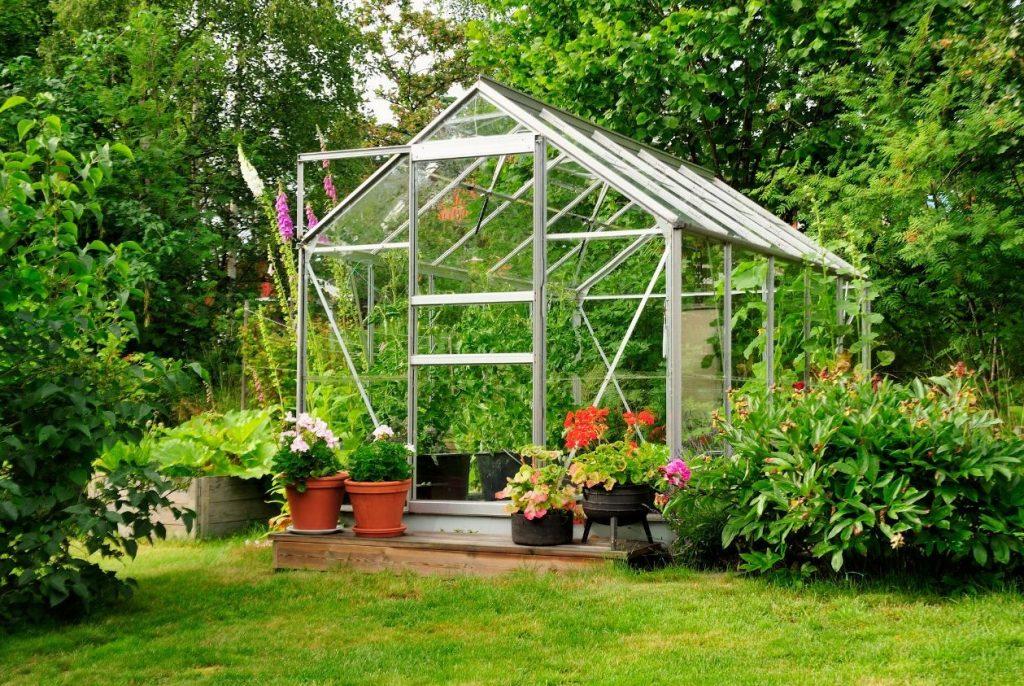
Way 6 introduces polytunnels or greenhouses for more comprehensive coverage. In southern England, a simple polytunnel over dwarf fruit trees can extend the season by several weeks, protecting against heavy rains that might otherwise split late plums. Varieties like Conference pears benefit from this controlled environment, ripening reliably into late autumn. Ventilation is key to prevent fungal issues, with automatic systems recommended for larger setups.
These methods are scalable, from smallholdings to commercial orchards. When acquiring protected stock, look for fruit trees for sale adapted to under-cover growth, such as compact forms on semi-dwarf rootstocks. Implementing protection early in the season maximises its impact, ensuring blossoms set fruit without interruption from hail or wind.
Pruning and Training
Pruning and training techniques directly influence ripening timelines. Way 7 emphasises summer pruning to enhance light penetration and air flow, accelerating fruit maturation. For apples and pears, removing excess shoots in July-August directs energy to developing fruits, potentially advancing harvest by a week. This contrasts with winter pruning, which stimulates growth rather than ripening.
Way 8 involves training forms like espaliers or fans against walls. In walled gardens common in historic UK estates, this method captures reflected heat, extending the season for heat-loving fruits like apricots. A fan-trained Morello cherry might yield from July to September, longer than free-standing trees. Training requires initial investment in supports but pays dividends in prolonged productivity.
Regular monitoring during pruning identifies issues early, maintaining tree health for consistent seasons. Tools like sharp secateurs prevent damage, and techniques should follow RHS guidelines for best results. This disciplined approach suits both novice and experienced growers, fostering orchards that produce over extended periods.
Nutrition and Water Management
Optimal nutrition and irrigation sustain prolonged fruiting. Way 9 centres on timed fertilisation to support phased ripening. Applying potassium-rich feeds in late spring encourages fruit swell without excessive foliage, beneficial for late varieties like russet apples that store well. Organic options, such as comfrey tea, align with eco-friendly practices prevalent in British gardening.
Water management in Way 10 ensures even ripening across the season. Drip irrigation systems deliver consistent moisture, preventing stress that could abbreviate harvests. In drier eastern counties, mulching with bark retains soil water, supporting trees through summer droughts. Over-watering risks root rot, so soil probes help gauge needs accurately.
Balancing these elements prevents nutrient deficiencies that delay maturity. Soil testing kits, available from garden centres, guide amendments, tailoring to specific tree requirements. This proactive care extends not just the current season but enhances future yields, creating resilient orchards.
Maintenance and Pest Control
Ongoing maintenance secures the extended harvest. Integrated pest management protects developing fruit, avoiding losses that shorten effective seasons. Regular inspections for aphids or codling moth, using pheromone traps, maintain tree vigour. In humid western UK regions, fungicides like copper-based sprays combat scab, ensuring late fruits ripen fully.
Weed control around bases prevents competition for resources, supporting sustained production. Companion planting with herbs like chives deters pests naturally, integrating into orchard designs. These practices, combined with earlier methods, form a comprehensive strategy.
For those establishing new plantings, sourcing healthy fruit trees for sale from certified nurseries minimises initial pest risks. Annual reviews of orchard health adjust approaches, adapting to changing climates. This holistic maintenance ensures British orchards deliver fresh fruit over the longest possible period, rewarding careful planning with abundant, sequential harvests.