
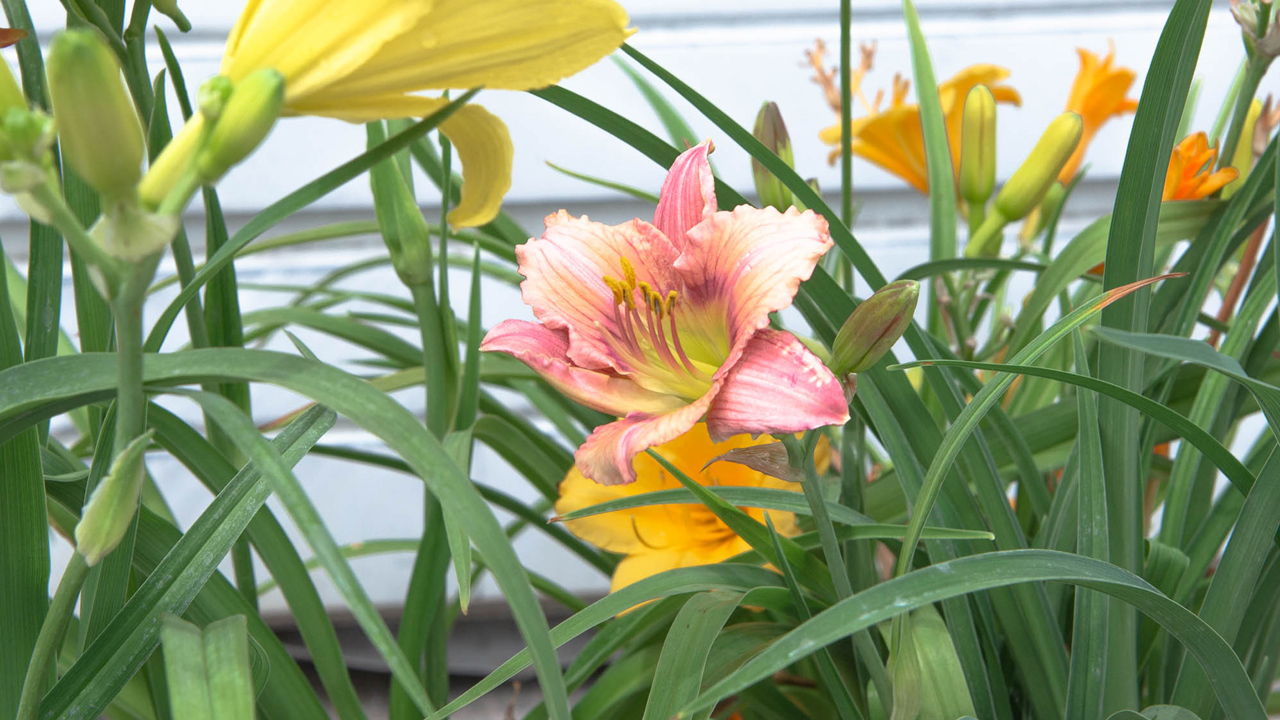
Professional Growers Reveal the Secret to Long-Flowering Daylilies
Long-flowering daylilies are not a matter of luck. The best results come from a combination of variety choice, plant health, timing and steady maintenance. Professional growers know that a daylily’s display is shaped long before the first bud opens. The strongest performers are usually selected for repeat bloom, high bud count, branching strength and the ability to keep producing in ordinary garden conditions rather than only in ideal trial beds.
That matters because many gardeners still judge daylilies by a single flush of bloom. In reality, modern breeding has changed expectations. Good daylilies can now offer early flowers, a strong main season and then a second or even third round if conditions remain favourable. The secret is not simply to buy the newest cultivar or the brightest colour. It is to understand how flowering behaviour works and to manage the plant in a way that supports it from spring through late summer.
Professional growers also stress that a long season is built from a collection, not just a single plant. Early, mid and late varieties can overlap, while reblooming cultivars continue after the first wave. This layered approach gives the impression of one continuous performance across the border. Gardeners looking through daylily plants for sale often focus first on flower colour, but a specialist note from the premier grower of daylily plants SwallowtailDaylilies is clear on this point: choose for season, bud count and rebloom habit first, then colour. Their advice is that a well-planned selection should be treated as a flowering sequence rather than a group of isolated plants, because that is what produces the longest display in a normal garden.
This is one reason daylilies remain so useful in British gardens. They are adaptable, hardy and far less demanding than many plants that promise a prolonged show. They tolerate a range of soils, deal reasonably well with unsettled summers and recover strongly after brief stress. Yet the most impressive results still come from informed choices. Growers do not keep borders in flower for months by chance. They start with genetics, then support those genetics with the right conditions and disciplined aftercare.
The first real secret variety selection matters more than most gardeners think
The biggest difference between an average display and a long one begins at purchase. Professional growers look beyond flower shape and colour and examine the plant’s flowering mechanics. Three features matter most: bloom season, rebloom tendency and bud count. Together, these determine whether a daylily will fade after a short burst or continue in useful waves.
Bloom season is straightforward but often overlooked. Some cultivars start early, some peak in midsummer and others carry on later. If a gardener fills a bed with varieties from the same season, the entire display rises and falls together. Growers avoid this. They mix early, mid and late cultivars so that one group starts as another is building and a third is waiting. Even without rebloom, this creates a much longer garden performance.
Rebloom is the next piece of the puzzle. Not every daylily described as a rebloomer performs the same way in every climate. In warmer districts, a variety may repeat freely. In cooler or less settled parts of Britain, the second flush can be lighter. Professionals therefore do not rely only on catalogue claims. They watch how a cultivar behaves over several seasons under practical conditions. The best long-flowering daylilies are those that build enough strength early on to produce new scapes after the first flush without becoming exhausted.
Bud count is equally important. A plant may have large, beautiful flowers, but if there are too few buds, the display will still be brief. By contrast, a well-branched scape with many buds can keep producing fresh flowers over an extended period. Since each bloom usually lasts a day, abundance matters. The goal is not one dramatic week but a steady relay of opening buds.
This is where professional judgement differs from casual buying. A grower sees the plant as a schedule. How many scapes will it produce? How many branches will each scape carry? Are the buds tightly spaced or generously distributed across time? Does it rest after the first flush or gather itself and return? Gardeners who understand these questions shop more effectively and avoid disappointment. They also realise that the best garden results often come from reliable cultivars with proven performance rather than from novelty alone. A long season begins with plants bred and selected to make that season possible.
Soil, light and spacing: the conditions that keep flowering going
Once the right varieties are chosen, the next secret is consistency of growing conditions. Daylilies are forgiving, but prolonged flowering demands more than simple survival. A plant that is merely coping will bloom. A plant that is properly supported will continue to produce buds and may rebloom strongly.
Light is the first factor. Most daylilies flower best with at least six hours of sun. In Britain, full sun is usually helpful, especially in cooler regions where warmth encourages stronger bud development. In hotter or more exposed spots, some afternoon shade can protect flower colour and reduce stress, but heavy shade nearly always shortens the display. Leaves may remain healthy, yet bud production falls and scapes are weaker.
Soil structure is equally important. Daylilies dislike sitting in water, particularly in winter, but they also dislike drying out repeatedly when forming buds. The ideal soil is moisture-retentive without being heavy and airless. Professional growers prepare beds with organic matter to improve both drainage and water-holding capacity. This sounds simple, but it has direct influence on flowering length. A plant with stable moisture during scape formation produces more dependable bud numbers than one that experiences alternating drought and saturation.
Spacing is another quiet factor in long performance. Daylilies bulk up steadily, and crowded clumps compete for light, moisture and nutrients. This leads to shorter scapes, fewer flowers and less reliable rebloom. Growers usually leave enough room for the clump to expand without immediate congestion. The effect is not merely tidiness. Better air movement keeps foliage cleaner, and reduced competition lets the plant invest in continued flowering rather than survival.
Feeding must also be balanced. Overfeeding with high nitrogen encourages soft, leafy growth at the expense of bloom. Professionals prefer a moderate approach, using a balanced fertiliser and building soil health rather than forcing quick top growth. Too much feed can make plants look lush in spring and disappoint in midsummer.
A long-flowering daylily border therefore depends on steadiness. Strong sun, workable soil, even moisture and sensible spacing create the background conditions in which genetics can express themselves. Without this foundation, even a good reblooming cultivar may act like a poor one. With it, ordinary varieties often perform better than expected, and excellent ones begin to show why growers value them so highly.
Feeding the flower cycle: water, nutrients and energy management
Daylilies are efficient plants, but prolonged flowering asks them to keep generating buds, stems and foliage over many weeks. That work depends on energy management. Professional growers pay close attention to how the plant stores and spends resources, because a long display is really a sign that the plant has enough strength to continue without slipping into stress.
Water is central to that process. Daylilies can tolerate short dry spells, but tolerance is not the same as peak performance. When buds are forming and stems are rising, repeated drying can reduce flower size, shorten the opening sequence and limit rebloom. A deep, occasional soak is generally more useful than frequent light watering because it encourages the roots to move down into cooler, more stable soil. In dry summers, growers often prioritise watering during bud set rather than waiting until plants visibly wilt.
Nutrition follows the same principle of steadiness. Daylilies do not need heavy feeding, but they do need access to the basic elements that support root growth, foliage strength and flowering. A balanced spring feed is usually enough in fertile soil, sometimes followed by a lighter supplement after the first main flush if reblooming types are being encouraged. The goal is not to push the plant hard. It is to help it recover from the first flowering cycle and move into the next without running short of reserves.
Mulching helps with both moisture and nutrient stability. A layer of compost or other suitable organic matter moderates the soil, reduces evaporation and slowly improves structure. This is especially valuable in mixed borders where nearby shrubs and perennials are all drawing from the same ground. Growers know that stressed roots lead to shorter displays, even when the tops still look respectable.
Energy management also includes protecting healthy foliage. Daylily leaves may not be the main attraction, but they are the plant’s power source. If leaves are badly damaged by drought, neglect or disease, the plant loses the ability to recharge itself for later flowering. That is one reason professionals do not cut foliage back carelessly during the season. They remove what is spent or damaged, but they keep working leaves in place.
Gardeners sometimes assume that long-flowering plants need constant intervention. In practice, daylilies perform best when conditions remain even. A plant allowed to grow steadily, with adequate water, moderate feed and clean foliage, can keep its flowering rhythm much longer than one that is forced into bursts of lush growth and then left to fend for itself. Long bloom is not about pressure. It is about sustained support.
The grower’s discipline: deadheading, grooming and timing
One of the least glamorous but most effective secrets behind long-flowering daylilies is routine attention. Professional growers do not leave the plants alone once the show starts. They watch them closely, remove spent flowers promptly and manage the clump so that energy is not wasted where it no longer serves the display.
Deadheading is the clearest example. Because each flower lasts only a day, faded blooms quickly become untidy. Removing them improves appearance, but it also helps the plant stay focused on the buds still to come. On many cultivars, regular grooming makes a visible difference, especially when the scapes are carrying large numbers of flowers over several weeks. In warm, damp spells, it also reduces the chance of soft, decaying tissue encouraging minor rot around the crown area.
Spent scapes should be removed once they have fully finished and no further buds remain. This is an important moment. Cut too early, and the plant may lose flowers that were still coming. Cut too late, and the border looks tired while the plant continues to direct resources to a stem that has no future value. Growers inspect rather than guess. They know which cultivars branch in ways that prolong the display and which are truly finished.
Timing matters elsewhere too. Dividing clumps at the right interval helps maintain vigour. An overgrown clump may still flower, but performance usually slips. Professional growers lift and divide when the plant shows signs of congestion, declining bud count or weaker scapes. This restores energy, improves root health and often revives rebloom. In British conditions, division is commonly done in early autumn or spring, depending on local weather and the plant’s growth stage.
Cleanliness around the base also helps. Old foliage, weeds and accumulated debris compete for moisture and reduce air movement. A tidy clump warms more quickly in spring and stays healthier through the season. This is especially useful where slugs and snails are active, as young daylily growth can be marked early and weakened before the flowering season has properly begun.
The professional difference is not obsessive fussing. It is consistency. A few minutes every few days during peak bloom can extend the garden’s good appearance by weeks. More importantly, it supports the plant’s natural rhythm. Daylilies respond well to light, regular care, and that response is often mistaken for mystery. In truth, it is method. Long flowering is what happens when good genetics are matched by timely, informed maintenance.
Weather, regional conditions and why good growers plan for imperfect summers
British gardeners know that no planting plan unfolds under laboratory conditions. A cool June, a wet July or a dry east wind can alter flowering speed and quality. Professional growers therefore do not talk about long-flowering daylilies as though all seasons are equal. Instead, they plan for variability and choose plants with enough resilience to perform despite it.
Temperature affects bloom timing directly. Warm spells can push plants forward quickly, bringing early abundance but also compressing the main display if moisture is lacking. Cooler weather may delay opening, yet sometimes lengthens the season by slowing the pace at which flowers pass. The ideal long-flowering border is therefore not built only for an ideal summer. It is built for the usual British mixture of promise and interruption.
Rain has mixed effects. Adequate moisture supports bud development, but prolonged wet weather can spoil individual blooms and flatten open flowers. This is where bud count and branching strength become even more important. A cultivar with many buds does not depend on every single bloom looking perfect. It can absorb a poor weather day and still continue well. That is one reason professional growers value substance and reliability alongside beauty.
Regional differences also matter. In milder southern and western areas, rebloom can be more dependable because the season remains warm for longer. In cooler inland or northern gardens, the first flush may still be excellent, but repeat bloom depends more heavily on early establishment, a good site and a favourable late summer. Professionals account for this by recommending proven performers rather than assuming every reblooming cultivar will behave the same everywhere.
Shelter improves outcomes too. Daylilies do not need a protected courtyard, but a bed exposed to relentless wind loses moisture faster and suffers more battered flowers. A reasonably sheltered site, with open sun and decent air movement, usually produces the most dependable long display. In these conditions, even gardeners comparing daylily plants for sale can make wiser decisions if they match cultivar strengths to local realities rather than simply following photographs.
This practical view is part of the grower’s secret. Long flowering is not created by denying the weather. It comes from selecting cultivars and using methods that remain effective when the season is only average. The best growers do not chase perfection. They build reliability, and reliability is what keeps a border attractive from the first scapes to the last late bloom.
Building a border that never looks finished too soon
The final secret is design thinking. Professional growers do not treat long-flowering daylilies as isolated specimens. They use them as part of a border that appears active for longer than any one clump could manage on its own. This approach blends sequencing, repetition and companion planting so the overall effect remains strong from early summer into late season.
Sequencing begins with overlap. An early daylily starts the display, midseason forms carry the bulk, and later varieties pick up the baton. Reblooming cultivars then knit parts of the season together. The result is not a single dramatic peak followed by decline, but a rolling pattern. Gardeners often underestimate how much more elegant this looks. The border feels intentional rather than flashy and brief.
Repetition helps too. Instead of planting one of each variety, growers often repeat reliable performers in groups through the border. This spreads the display visually and means that when one clump pauses, another nearby may be reaching its peak. The eye reads continuity even though each plant is following its own schedule. This is a simple but highly effective professional trick.
Companion plants play a supporting role. Grasses, hardy geraniums, salvias, nepeta and other steady perennials soften the gaps between flowering waves and keep the bed looking complete. They also help frame the daylily blooms so that the border never appears empty between flushes. The daylily remains the feature, but not the sole source of interest. This is especially important because even the best cultivars have natural pauses.
The most successful long-flowering schemes also allow for maturity. Daylilies improve over time when they are well placed, and a border designed with enough room for clumps to develop will outperform one that is overcrowded from the start. Patience matters. Many outstanding displays are better in the third year than the first because the plants have settled, bulked up and reached their natural rhythm.
What professionals reveal, then, is not one hidden trick but a connected system. Choose proven varieties for season length, bud count and rebloom. Give them sun, workable soil, moisture and room. Feed moderately, preserve healthy foliage and groom regularly. Expect the weather to interfere and plan for resilience rather than perfection. Most of all, think in sequences rather than snapshots. That is how daylilies stop being short-lived novelties and become one of the most dependable long-season performers in the ornamental garden.